
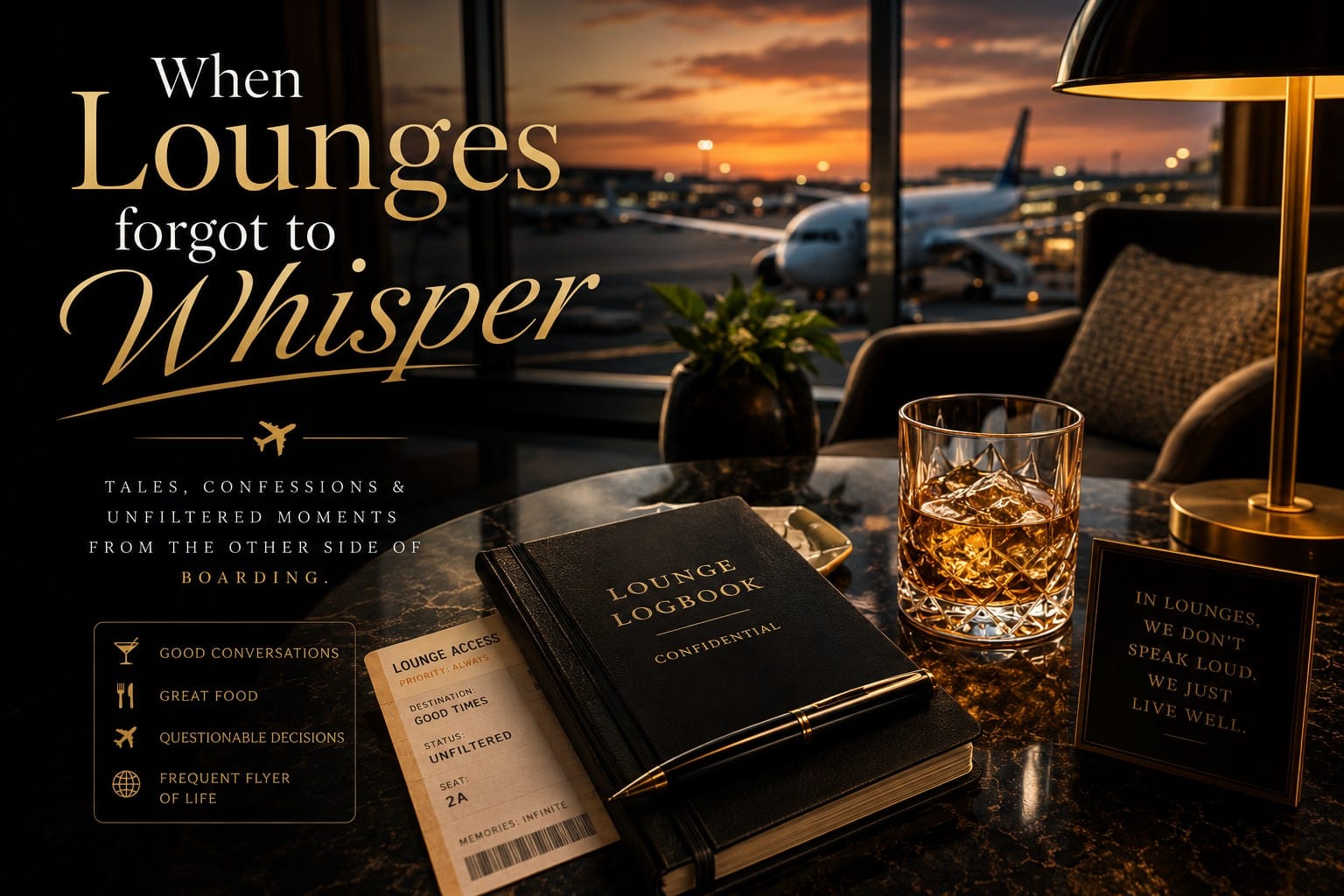
There was a time when an airport lounge spoke in whispers.
Not literally, of course. Nobody walked around hushing fellow passengers. But there was an unspoken understanding that once you crossed those frosted glass doors, the airport remained outside. Boarding announcements became distant, conversations softened, chairs invited you to sink into them, newspapers still mattered and coffee arrived without unnecessary theatre. The lounge wasn’t trying to impress you. It was trying to calm you.
Somewhere along the journey, lounges forgot how to whisper.
They became bigger, shinier, louder and, ironically, less luxurious. Banks began distributing lounge access with premium credit cards, airlines chased membership numbers and every loyalty programme promised exclusivity to millions of people simultaneously. Suddenly everyone was “premium”, which is another way of saying nobody was.
Today, the first queue at many airports isn’t at immigration.
It’s outside the lounge.
There is something deliciously ironic about standing in line to enter a place specifically designed to help you escape queues.
Once inside, the hunt begins—not for peace, but for an empty chair. Somebody is conducting a video conference without headphones. Another traveller is explaining quarterly sales figures loudly enough for the competition to benefit. A child has understandably decided that the lounge is the perfect place to discover acoustics. The silence that once defined airport lounges has quietly packed its bags.
The buffet is where the decline becomes impossible to ignore. Endless stainless-steel chafing dishes hold what claims to be chicken curry but has long forgotten it was ever chicken. The daals look tired, the vegetables surrendered hours ago and the rice has been patiently waiting for someone optimistic enough to serve himself.
Resigned to your fate, you pour a liberal splash of this anonymous curry over the rice, rescue a papad that abandoned all aspirations of crispness sometime before boarding began and then start the next ritual—the hunt for a spoon.
Lounge spoons have a strange habit of disappearing just when you need one. Either they have all vanished or the only one left is an oversized serving spoon that makes every mouthful resemble a shovel loading coal into a steam engine. It is a strangely undignified experience for a place that insists on calling itself “premium.”
Breakfast, thankfully, still offers a glimmer of hope.
There is one civilised habit I wish every serious lounge would preserve. Instead of abandoning industrial quantities of scrambled eggs under heat lamps or displaying rows of sunny-side-up eggs that have clearly been waiting longer than some passengers, many good lounges still ask the only breakfast question that really matters.
“How would you like your eggs?”
That single sentence separates lounges that merely serve breakfast from those that understand hospitality.
One place that gets this consistently right, at least for me, is the Finnair Platinum Wing Lounge in Helsinki.
It is one of aviation’s best-kept secrets. It doesn’t overwhelm you with marble or chandeliers. It simply gets everything right. Space. Light. Silence. Thoughtful food. Excellent cappuccino—quite possibly the finest in Helsinki and certainly among the best I have had anywhere. The amusing part is that Finnair seems blissfully unaware of its own excellence. It simply goes about serving breakfast every morning with the quiet confidence of somebody who has absolutely nothing to prove.
Singapore Airlines’ SilverKris Lounge at Changi gives me a similar feeling. It isn’t trying to dazzle you. It simply works. Malaysia Airlines’ Golden Lounge in Kuala Lumpur has another quality I value—it has personality. It feels unmistakably Malaysian rather than a lounge that could have been assembled from an international catalogue.
The giant Middle Eastern lounges, on the other hand, leave me curiously unmoved. They are breathtaking in scale. Marble stretches endlessly. Gold glitters. Buffets resemble international food exhibitions. Every luxury imaginable has been provided and every square foot appears to have cost a small fortune. Yet after the initial admiration fades, I often find myself searching for something money cannot buy—a sense of place. Remove the airline logo and you could be almost anywhere. They impress enormously. They rarely linger in memory.
Perhaps that is the difference between wealth and character.
Wealth builds spectacular lounges.
Character creates memorable ones.
The finest lounges are not those with the biggest buffets, the oldest whisky or the most extravagant architecture. They are the ones that subtly lower your pulse. You instinctively speak more softly. You finish your coffee without glancing at your watch. You read one more chapter. For a little while, you almost forget that in thirty minutes you will once again be standing barefoot at airport security trying to explain why your laptop refuses to emerge from your backpack.
Airports exist to move people.
Great lounges exist to let them pause.
Somewhere in the race to admit more members, optimise more costs and promise more benefits, many lounges forgot they weren’t selling access.
They were selling calm.
And calm has one remarkable quality.
It never announces itself.
It whispers.
Before you go…
If you too have stood in a queue to enter a place designed to help you escape queues, you may also enjoy:
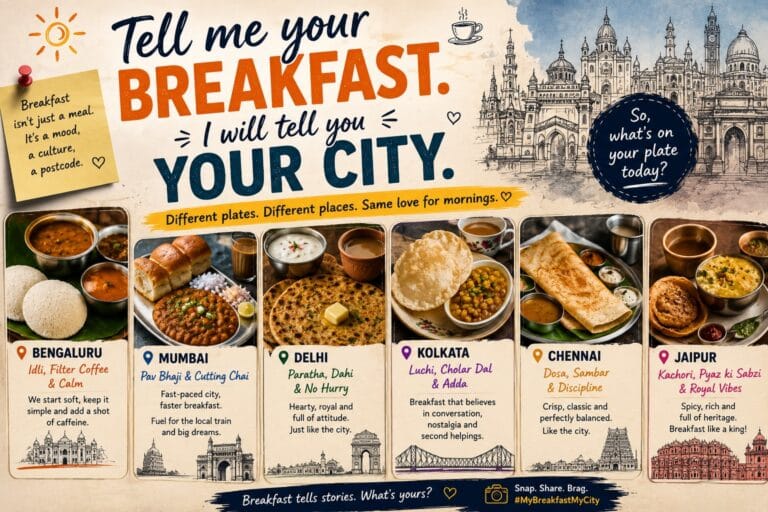
Tell Me Your Breakfast Buffet… I’ll Tell You Your City;
Smartwatches & Wearables: Welcome to the World of Hannibal Lecter and The Silence of the Lambs



One Comment