
I have always felt a little sorry for Abraham Maslow. Imagine spending a lifetime constructing that famous pyramid of needs, wants, desires and finally self-actualisation, only to have it demolished by one Bengali drunkard called Devdas. If Maslow had watched Devdas, I suspect he would have quietly withdrawn his paper, apologised to academia and taken up gardening.
For those who have escaped Indian literature, Devdas is the story of a privileged young man who loves Paro, is loved by her in return, but doesn’t marry her because society, family, status and assorted idiots decide otherwise. Then comes Chandramukhi, who falls hopelessly in love with him. Devdas, however, falls in love with alcohol. Eventually everybody loses except the liquor industry. If this isn’t a management case study, I don’t know what is.

What fascinates me is not Devdas. It is the geometry of desire. Paro begins as Devdas’s need and ends up becoming his desire. Chandramukhi begins by desiring Devdas and ends up needing him. Paro too travels from need to desire. The labels keep changing but the result remains remarkably consistent. Nobody gets what they desperately want. It is almost as if life has an allergy to intense longing.
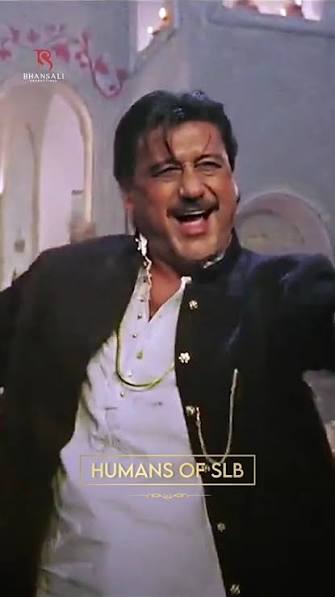
And then, quietly sitting in one corner, glass in hand, is Chunnilal. Nobody analyses him. Nobody quotes him. Nobody writes doctoral theses about him. He appears in the story almost as comic relief. Yet I have often wondered whether he is the only fellow who has actually understood the joke. While everyone else is trying to possess life, Chunnilal seems content merely to participate in it.
This is where Maslow’s pyramid starts looking less like psychology and more like civil engineering. Corporate life has a nasty habit of converting needs into desires, desires into ambitions, ambitions into addictions and addictions into annual performance targets. We don’t notice the transition because it happens one appraisal cycle at a time. The promotion that was once a desire becomes a need. The bigger house becomes a need. The corner office becomes a need. Then suddenly “work-life balance” becomes a need too, usually after the cardiologist recommends it.
Every corporate professional carries a Devdas to work. Paro is purpose. Chandramukhi is money. We spend our weekdays courting Chandramukhi while posting inspirational quotes about Paro on LinkedIn. We convince ourselves that one more promotion, one more bonus, one more stock option and somehow the emptiness will disappear. Curiously, the bonus arrives every year. Satisfaction rarely does.
What amazes me is that organisations have become experts at manufacturing desires. Nobody joins a company wanting a larger cabin, a fancier designation or an executive parking slot. Those are acquired tastes. Corporate life first convinces you that these things matter, then rewards you for wanting them, and finally offers mindfulness workshops to help you cope with wanting them too much. If irony paid dividends, HR departments would outperform hedge funds.
Which brings me back to Chunnilal. Perhaps he wasn’t the drunk in the story after all. Perhaps everyone else was intoxicated—by status, respectability, achievement, longing and the perpetual hunger for the next thing. Chunnilal simply refused to confuse living with acquiring.
The corporate lesson, therefore, is not to abandon ambition. Ambition is useful. Obsession isn’t. Don’t spend your life trying to classify everything into needs, wants and desires. Life has an irritating tendency to ignore our classifications anyway.
Be a little more Chunnilal.
He may not have climbed Maslow’s pyramid.
He certainly looked happier standing outside it.
Great post. Especially laughed with tge starting paragraph.
Thanks Arvind. Glad you liked it. More to come!!