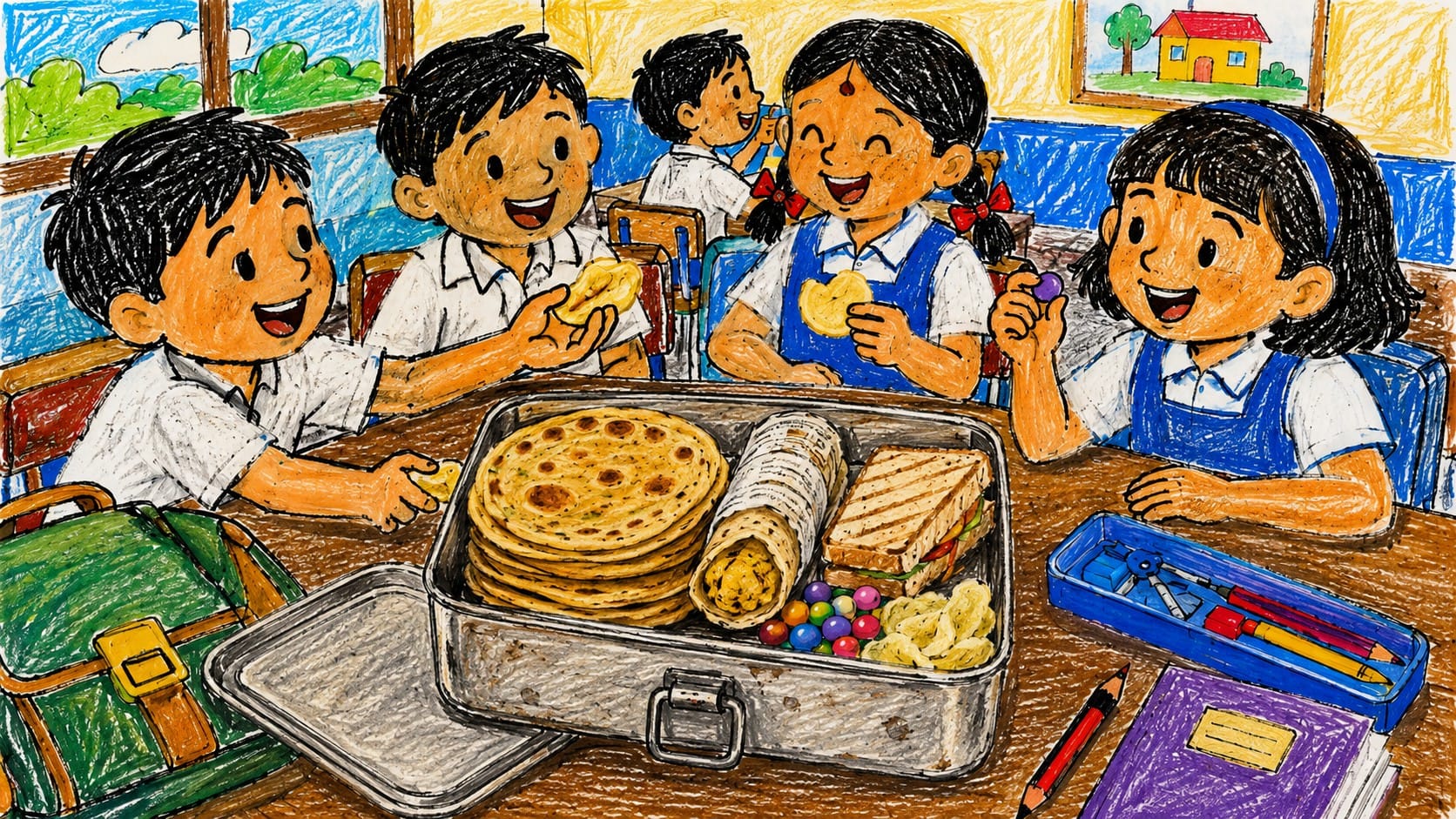
There was a time when lunch came to school in a rectangular aluminium box with a metal clip on the side. It was not insulated, leak-proof, microwave-safe or divided into cheerful little compartments. It was simply a tiffin box, usually a little battered after a few years of service, and often with your name scratched underneath because half the class seemed to own exactly the same one.
That scratching, incidentally, was another perfectly valid use of the compass from the geometry box. Geometry may have required circles, but childhood required ownership markings on aluminium.
The box went into the school bag in the morning along with notebooks, pencils, the same geometry box, perhaps a fountain pen that had already leaked once, and all the other things we carried around without complaint. By recess, the roti had folded itself, the sabzi had travelled and whatever neat arrangement had existed at seven in the morning was gone. Nobody cared much. The bell rang, the lids opened and what followed was less lunch and more a small informal food market.
You were interested in your own tiffin, of course, but far more interested in what everyone else had brought. Somebody had aloo parantha, somebody had sandwiches, somebody had idlis, somebody had poori-aloo, and there was always one child whose mother had packed something that immediately attracted half the bench.
Food moved freely. A piece of parantha went one way, half a sandwich came back. Somebody took one idli and offered two biscuits in return. Nobody discussed portions or whether the exchange was nutritionally sensible. A hand simply went into the box and came out with something.
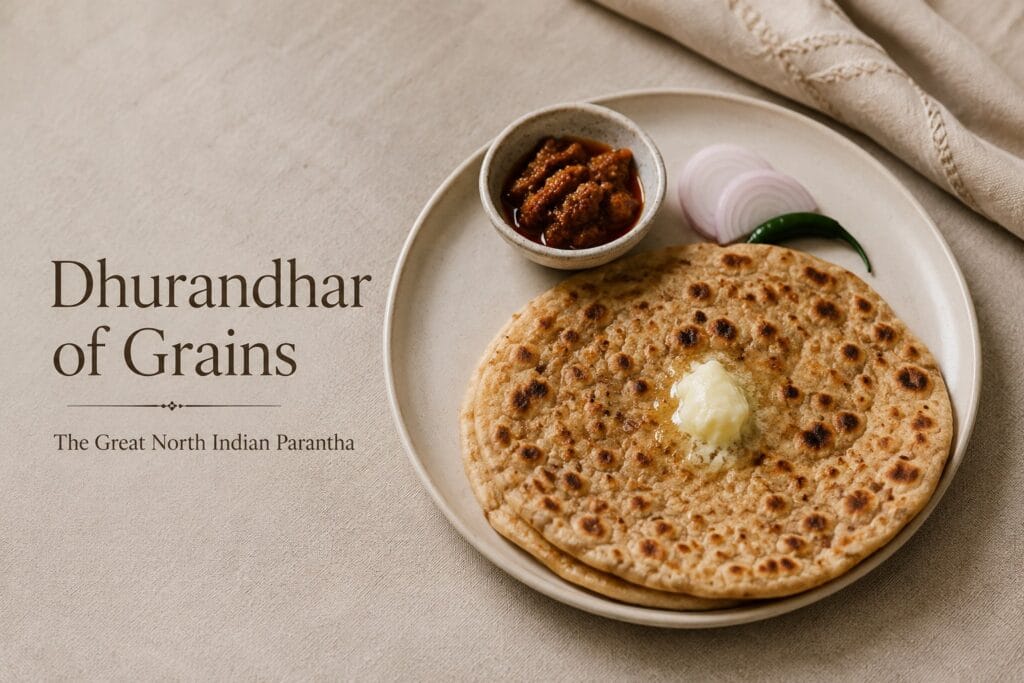
Paranthas had their own hierarchy, although every mother and didi seemed to have a different engineering method. Some would push the filling into a round ball of dough and flatten the whole thing carefully. Others would make two separate thin, almost crepe-like rotis, spread the filling generously over one, put the second on top and press them tightly together before putting the parantha on the tawa. Some were cooked with more oil, some with more ghee, and some with quantities that would probably make your cardiologist uncomfortable today. They were all delicious.
Egg bhujia rolled inside a parantha was something else altogether. By recess it was completely cold, but who cared. It would be wrapped in cloth or paper, opened and torn into before the fellow sitting next to you developed an interest. Much later, some of that copious ghee camouflaged as love might reappear in an on-the-edge lipid profile. At ten years old, nobody was thinking about triglycerides.
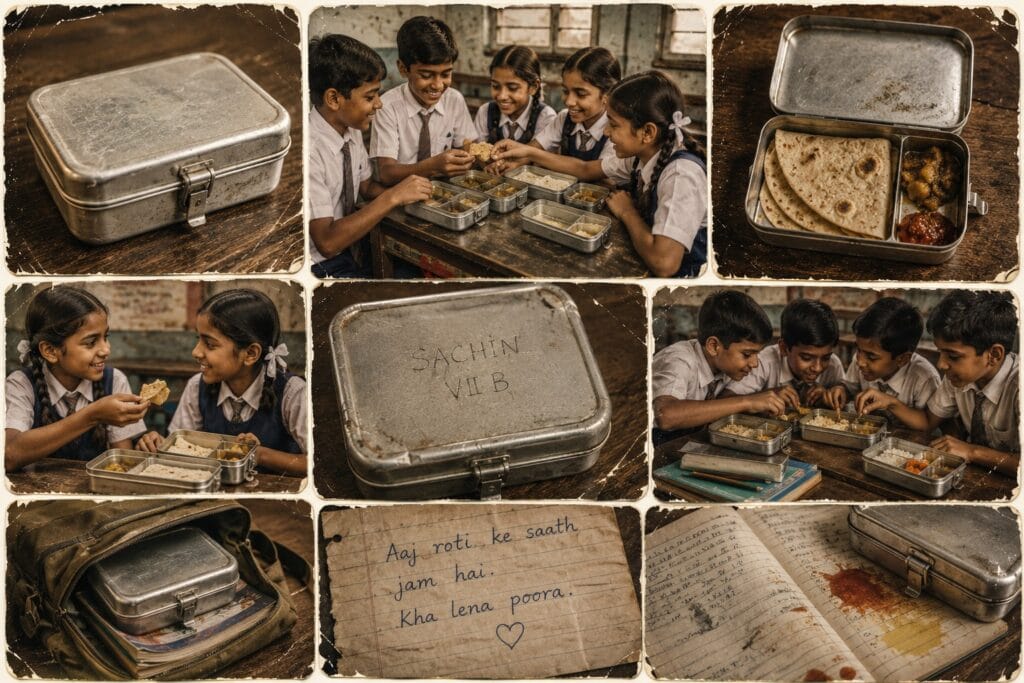
And then there was roti with jam.
It sounds almost ridiculous now because we have become terribly serious about children’s food. Protein, fibre, carbohydrates, preservatives, sugar, glycaemic index. In those days, a mother running late could look at the clock, see the school bus almost there, spread jam on a roti, roll it up and put it in the aluminium box. It was sweet, slightly sticky and perfectly acceptable.
There was bread with butter and sugar too, bread with jam, aloo stuffed between slices of bread, idlis that had been sitting there since early morning, and occasionally macaroni, which made the owner of that tiffin look distinctly more modern than the rest of us.
Sometimes we pestered our mothers to put in a few leftover fryums or chips from the previous day. They were no longer particularly crisp by recess, but they were a treat. A few chips tucked into one corner could raise the status of an otherwise ordinary tiffin considerably.
And sometimes love came in the shape of tiny Gems.
You remember Gems, that Cadbury masterpiece with the coloured shell, the slight crunch and the gooey chocolate inside. Five were enough. The real project was protecting them from the ravenous eyes of the fellow on the next desk, who seemed capable of spotting one Gem from three benches away.
You developed systems. Eat them first, hide them below the parantha, pretend you had none. None worked for very long because school friendships were based on sharing, but also on shameless surveillance of each other’s tiffins.
Bread sandwiches had their own technology. Long before electric sandwich makers appeared on kitchen counters, there was that heavy metal contraption into which you put two slices of bread with potato, onion or whatever filling was available, clasped it tightly shut and placed it directly over the gas burner, turning it around a few times.
At seven in the morning it was crisp and glorious. By recess it had become soft and slightly soggy, but it was still yummy. Hot became cold, crisp became soft and nobody considered either a disaster.
Presentation had no role in any of this. You opened the lid and ate whatever had survived the journey to school.
Sometimes you already knew you were in trouble because you remembered what had been cooked that morning. Lauki. Or tori. Across the desk somebody would open paneer or potato and suddenly friendship became very important.
“Thoda de na.”
That was enough. Nobody made a speech about sharing. You tore off a piece and ate it. If your own tiffin was popular, several other hands would arrive without much warning. Stuffed paranthas did very well. Poori-aloo was premium material. Idlis with chutney could draw a crowd. Homemade cutlets gave the owner considerable bargaining power.
Years later you would pay several hundred rupees in a restaurant for something described as a traditional stuffed flatbread and discover that what you really wanted was the parantha from that aluminium box. Life has a sense of humour that way. It spends your childhood making ordinary things seem ordinary and then sells them back to you as nostalgia.
The tiffin box itself collected history. The aluminium lost its shine, the corners got dented and the clip became loose. Some lids needed to be pressed in one particular place before they would close properly. Every family knew the exact defect in its own box.
Once in a while the clip opened inside the school bag. A notebook would come out carrying an oil stain, the maths homework would smell faintly of sabzi, and a corner of the English notebook could acquire a permanent turmeric patch. You went home holding the evidence and announced, “Mummy, tiffin khul gaya,” as though reporting a natural disaster for which nobody could reasonably blame you.
What we did not think about then was how that box got filled every morning.
Someone had already been awake while we were still struggling to get out of bed. Breakfast was being made, uniforms were being found, socks were disappearing, water bottles were being filled, school diaries were being signed and somebody was shouting that the bus would come any minute. In the middle of all that, the tiffin was packed, and we took it completely for granted.
Parents of that generation did not always express affection in grand words. Their message was more practical. An extra parantha because you liked it. The sandwich done the way you preferred. Five Gems slipped into one corner because you had been pestering since breakfast. Roti with jam because there was simply no time and everybody had to leave.
We did not recognise any of this as love because love looked very ordinary when you were a child.
At the end of the day the aluminium box came home empty, or almost empty. Your mother would ask, “Khaana khaya?” and you said yes. Strictly speaking, that was sometimes inaccurate because your friends had eaten half your lunch and you had eaten half of theirs, but perhaps that was how a school tiffin was meant to work. Once the recess bell rang, ownership became flexible.
Today the boxes are smarter, the food stays warmer and parents know much more about nutrition. All of that is progress, I suppose.
But the old rectangular aluminium box carried something else. It carried the smell of home into school, the chaos of the morning kitchen, a mother’s hurry, a didi’s slightly different way of making a parantha and a grandmother’s insistence that one more should be packed.
It carried friendship too, because the minute the lid opened, your lunch stopped belonging entirely to you. Somewhere between the dented aluminium, the soggy sandwich, the oily notebook, the stolen paneer, the hidden Gems and that hurried roti with jam was something we understood only much later.
A lot of love travelled to school in that rectangular box.
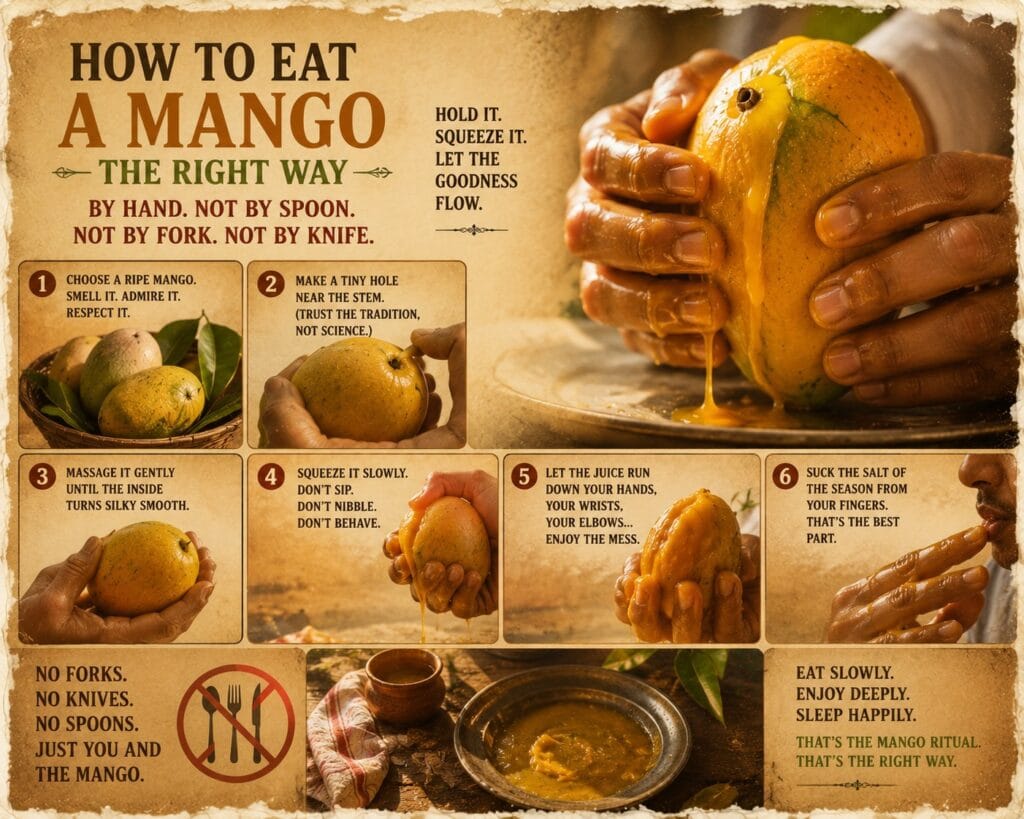
If this brought back the taste of school recess, you may also enjoy Parantha or Mango — another Tadka Life memory of food, family and the things that seemed ordinary then.